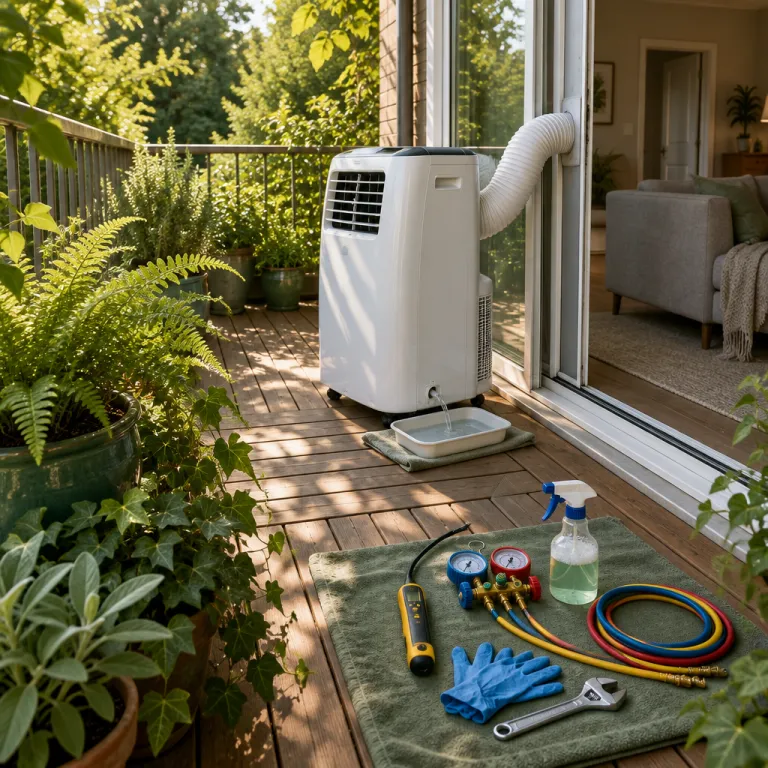
Why a portable air conditioning freon leak is more serious than it looks
A portable air conditioner that suddenly blows warm air instead of cool air often signals a hidden air conditioning freon leak or loss of refrigerant such as R‑410A or R‑32. When a portable conditioning system loses refrigerant charge, the compressor works harder for a longer time and still fails to deliver proper cooling. That extra strain on the system quickly turns a small leak into expensive damage for homeowners who delay repair.
In a sealed refrigeration system, the refrigerant should never be consumed or used up during normal maintenance or operation. If your portable air conditioning unit needs to be topped up with freon or another refrigerant, that is one of the clearest signs that a refrigerant leak exists somewhere along the refrigerant lines. Each time the system runs with low refrigerant levels, internal temperatures rise, lubrication breaks down, and the risk of compressor failure increases, a pattern described in reliability guidance from major HVAC manufacturers such as Daikin and Carrier.
Portable units concentrate a lot of cooling power in a compact indoor unit, which makes any freon leak more noticeable in a small room. You may hear faint hissing bubbling noises from the casing, see ice on the evaporator coil, or notice ice buildup on the rear filter area when the air flow is restricted. These subtle signs of leaking refrigerant often appear before the air conditioning stops completely, giving careful homeowners a chance to act early and avoid both equipment damage and unnecessary refrigerant release to the environment, which agencies such as the U.S. EPA classify as controlled substances under Section 608 rules.
Key signs your portable air conditioner has a freon leak
Several practical signs help you recognize an air conditioning freon leak in a portable air conditioner before the system fails. The most common symptom is weak cooling where the unit runs for a longer time yet the room temperature barely drops and the air from the vents feels like slightly cool or even warm air. When low refrigerant conditions persist, the system runs almost constantly, energy bills climb, and the compressor becomes noisier as it struggles.
Visual clues also reveal refrigerant leaks in many portable units, especially around the evaporator coil and the flexible refrigerant lines that connect internal components. You might see ice buildup on the front grille, frost on the evaporator coil behind the filter, or water puddles as that ice melts after the air conditioning cycle ends. Any repeated pattern of ice forming and then dripping suggests that low refrigerant is upsetting the balance between cooling capacity and air flow through the conditioning system, and a technician can confirm this with basic pressure readings on the service ports.
Sound and smell can point to a refrigerant leak as well, even when the casing of the indoor unit looks intact. A soft hissing bubbling noise from the side panels or rear exhaust area often indicates that freon leaks are escaping under pressure from a pinhole leak or a loose fitting. If these signs appear together with poor cooling and higher energy use, contact a qualified HVAC technician through a licensed local service, and in the United States ensure they hold EPA Section 608 certification to handle refrigerants safely and in line with federal regulations.
How low refrigerant harms your compressor and energy efficiency
Running a portable air conditioner with low refrigerant quietly damages the compressor and wastes energy every hour the system operates. The compressor is designed to compress a specific mass of refrigerant, so when a freon leak reduces that mass, internal temperatures rise and lubrication thins out. Over time this heat and friction shorten compressor life, turning a simple leak repair into a full unit replacement.
Low refrigerant levels also destroy efficiency, because the conditioning system must run longer to remove the same amount of heat from the indoor air. As the system runs almost nonstop, energy bills increase while comfort decreases, especially during heat waves when the unit is already under stress. Portable units are particularly vulnerable in peak summer because restricted airflow, dirty filters, and high humidity combine with a refrigerant leak to create severe ice buildup on the evaporator coil.
When ice forms on the evaporator coil, the surface area available for heat exchange shrinks and the air leaving the indoor unit becomes warmer even though the compressor keeps cycling. This vicious circle of warm air, longer run times, and more ice eventually leads to a complete shutdown or a tripped safety device inside the air conditioner. To avoid facing this failure during the hottest month, many homeowners schedule preventive checks or use diagnostic tools such as a portable AC compressor stress test that catches a dying compressor before the worst week of summer, when replacement units are often in short supply.
Safe troubleshooting steps before calling an HVAC technician
When you suspect an air conditioning freon leak in a portable unit, start with simple checks that do not touch the sealed refrigerant system. First, clean or replace the air filter, straighten any kinks in the exhaust hose, and ensure at least 30 centimetres of clearance around the indoor unit for proper air flow. These basic maintenance steps remove airflow restrictions that can mimic low refrigerant symptoms such as ice buildup and weak cooling.
Next, follow a short, ordered troubleshooting checklist: (1) set the unit to its coldest temperature and highest fan speed, then wait 10–15 minutes; (2) confirm that warm air is exhausting outdoors and that no vents are blocked; (3) check for new ice on the evaporator coil area or rear filter; (4) listen closely for hissing bubbling sounds and look for oily residue on plastic or metal surfaces; (5) if cooling does not improve or ice and noise return quickly, stop running the unit and arrange professional service rather than continuing to test it.
At this stage, further repair attempts should be left to a licensed HVAC technician, because handling refrigerant leaks requires specialized tools and legal certification. Do not attempt to top up freon yourself, pierce the casing, or seal suspected leak points with household products, as this can damage the system and void warranties. While you wait for professional help, you can still improve comfort by optimizing venting setups that avoid permanent marks on walls or windows, which helps the system run more efficiently even with reduced refrigerant levels.
Professional repair options for a portable air conditioning freon leak
Once an HVAC technician confirms a refrigerant leak in your portable air conditioner, they will evaluate whether repair is economically sensible compared with replacement. For newer units with accessible refrigerant lines and a single leak point, a targeted repair that seals the leaking refrigerant path and restores proper refrigerant levels can extend the system life for several years. In contrast, older units with multiple refrigerant leaks or a damaged evaporator coil often cost more to repair than to replace, especially when the compressor has already suffered from long term low refrigerant operation.
Professional leak repair begins with a pressure test or electronic detection to locate freon leaks precisely along the conditioning system. The technician then isolates the affected section, repairs or replaces the damaged component, and evacuates the system before recharging it with the correct type and quantity of refrigerant specified on the nameplate, which for many portable units falls roughly between 0.3 and 0.8 kilograms according to common manufacturer data. After the repair, they verify that the system runs within design pressures and that the indoor unit delivers stable cooling without new ice buildup or unusual noises.
Homeowners should always request a written summary of the repair, including the amount of refrigerant added and any remaining risks, because this documentation helps track future leaks or warranty claims. If the technician warns that the system runs close to the end of its expected life, plan for replacement rather than paying for repeated small repairs on recurring leaks. In many cases, upgrading to a modern portable unit with better energy performance and more robust refrigerant lines reduces both energy bills and the likelihood of another freon leak in the near future, even after accounting for typical repair costs that can approach a substantial fraction of a new unit.
Preventing future refrigerant leaks in portable air conditioners
Preventing another air conditioning freon leak starts with regular maintenance that respects the limits of a portable unit. Clean the air filter every two to four weeks during heavy use, keep the exhaust hose as straight and short as possible, and avoid placing the indoor unit where it can be bumped or tipped. Gentle handling reduces stress on internal refrigerant lines and fittings, which are common sources of small leaks in compact conditioning systems.
Schedule professional service when you notice early signs such as longer cooling cycles, subtle warm air from the vents, or unexplained increases in energy bills. A qualified HVAC technician can measure refrigerant levels, check for hissing bubbling sounds under load, and inspect the evaporator coil for hidden ice buildup that may not be visible from the outside. Catching a tiny refrigerant leak before it worsens protects the compressor, maintains efficient cooling, and keeps the system running reliably through the hottest months.
Good storage habits also matter, because many portable air conditioners develop leaks after rough off season handling. Always drain the unit completely, coil the exhaust hose without sharp bends, and store the air conditioner upright in a dry space where the casing and internal components are not crushed. When the next warm season arrives, a quick visual inspection and a short test run help confirm that no leaking refrigerant or new leaks have appeared before you rely on the system for daily comfort.
Key statistics about refrigerant leaks and portable air conditioners
- Technical bulletins and warranty summaries from large HVAC manufacturers report that low refrigerant or refrigerant leak issues are a frequent contributor to premature compressor failures in small air conditioning equipment, including portable units, which highlights the financial risk of ignoring a suspected freon leak; these trends are echoed in aggregated service data shared at industry conferences.
- Field surveys by energy efficiency programs in Europe and North America show that air conditioners with leaking refrigerant can consume substantially more energy for the same cooling output, directly increasing household energy bills while still delivering uncomfortable warm air, a pattern also reflected in reports from national energy and climate agencies.
- Industry maintenance data indicate that systems receiving regular maintenance at least once per year experience noticeably fewer refrigerant leaks, with some large service networks reporting significantly lower leak related service calls compared with units that receive no scheduled care, according to internal program summaries.
- Environmental agencies estimate that a single small portable air conditioner can contain between 0.3 and 0.8 kilograms of refrigerant, meaning that an unchecked freon leak from many units in a dense urban area can collectively release substantial quantities of greenhouse active gases over time; U.S. EPA and similar regulators therefore require certified handling and recovery of these refrigerants.
FAQ about air conditioning freon leaks in portable units
How can I tell if my portable air conditioner has a freon leak ?
Typical signs include weaker cooling, longer run times, and air that feels less cold than before at the same thermostat setting. You may also notice ice buildup on the evaporator coil area, hissing bubbling sounds from the casing, or oily spots near joints where refrigerant lines connect. When these symptoms appear together, assume a possible refrigerant leak and arrange a professional inspection.
Is it safe to use a portable air conditioner with low refrigerant ?
Operating a unit with low refrigerant is generally not dangerous for occupants in normal residential settings, but it is unsafe for the equipment and your budget. The compressor runs hotter and longer, which can lead to early failure and much higher energy bills for the same or worse cooling. If you suspect a freon leak, limit use to essential periods and contact an HVAC technician promptly, and avoid inhaling concentrated refrigerant if you notice strong chemical odours or visible vapour near the unit.
Can I repair a freon leak in a portable air conditioner myself ?
Repairing refrigerant leaks requires specialized tools, training, and certification, so it is not a safe do it yourself task. Opening the sealed system or adding refrigerant without proper equipment can damage components, release refrigerant illegally, and void any remaining warranty. Homeowners should focus on cleaning filters, improving airflow, and then rely on a licensed technician for any leak repair.
When is it better to replace a leaking portable air conditioner instead of repairing it ?
Replacement usually makes more sense when the unit is older, has multiple refrigerant leaks, or shows signs of compressor damage such as loud grinding noises or frequent tripping. If the repair quote approaches a substantial portion of the cost of a new, more efficient unit, most experts recommend upgrading instead of investing in a short lived fix. A modern portable air conditioner with improved energy performance can offset its purchase price through lower operating costs over several cooling seasons.
How often should I schedule maintenance to prevent refrigerant leaks ?
For portable air conditioners used heavily during summer, an annual maintenance visit is a practical minimum, especially in hot or humid climates. During this visit, a technician can check refrigerant levels, inspect for early leak signs, and clean internal components that affect cooling performance. Between visits, regular homeowner maintenance such as filter cleaning and careful storage further reduces the risk of future leaks and supports both efficiency and environmental protection.
