
Understanding inverter technology in portable air conditioners
How inverter technology changes portable air conditioning
When searching for a portable air conditioner, you might notice the term "inverter" popping up more often. But what does it really mean for your comfort and energy bills? Inverter technology is a game-changer in the world of portable units, offering a smarter way to cool your room compared to traditional models.
At its core, an inverter portable air conditioner uses a variable-speed compressor. Instead of turning on and off repeatedly like standard units, the inverter adjusts its power output to match the cooling demand. This means the unit can run at lower speeds when less cooling is needed, which helps maintain a steady temperature and reduces energy consumption.
- Consistent cooling: The inverter system keeps your room at a more stable temperature, avoiding the uncomfortable swings that can happen with non-inverter models.
- Energy efficiency: By only using the power needed, inverter portable air conditioners can lower your electricity bills over time.
- Quieter operation: Because the compressor doesn’t constantly start and stop, noise levels are often reduced, making it easier to relax or sleep.
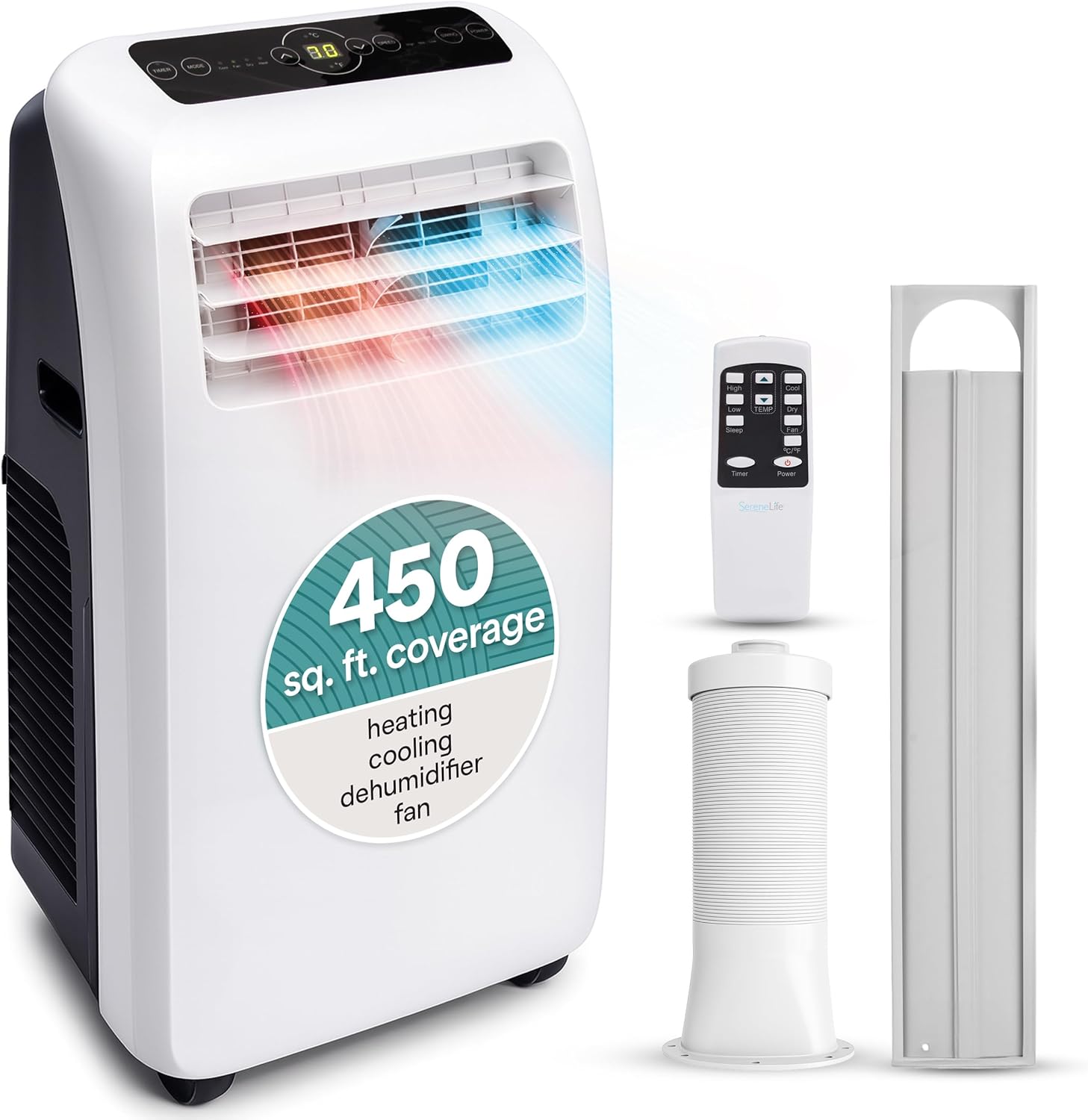
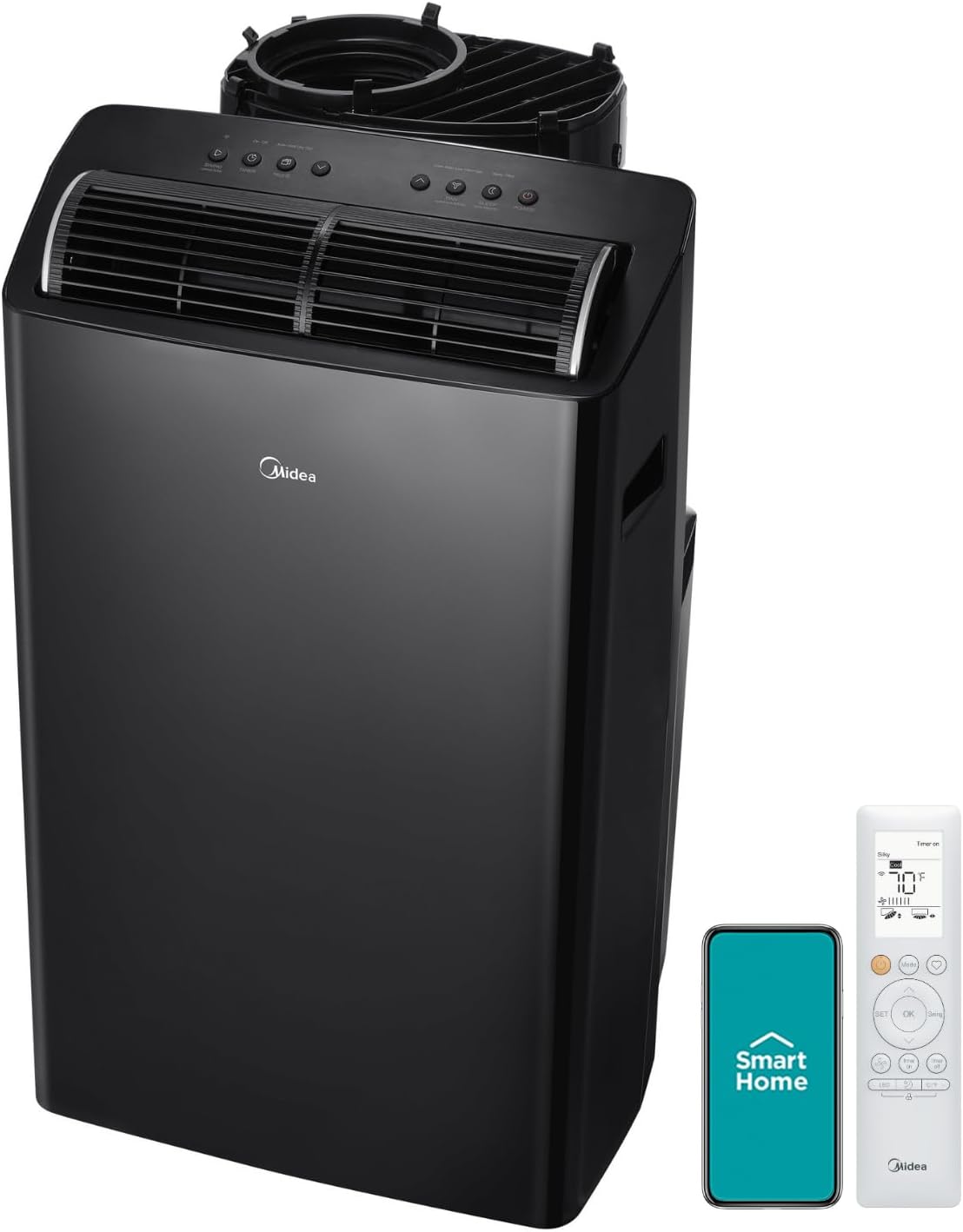
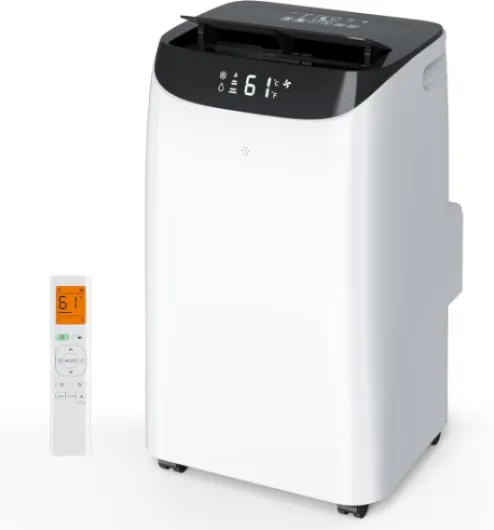
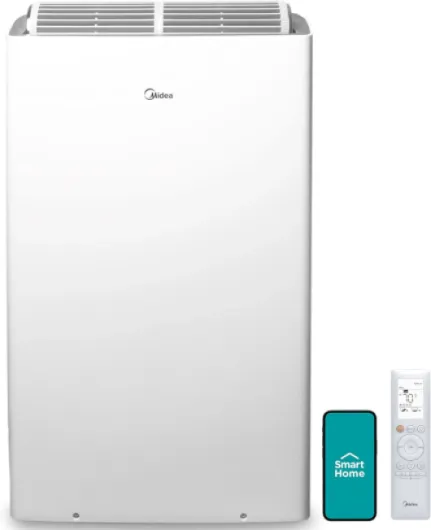
Most inverter portable units, like the Midea Duo Smart or Whynter ARC series, come with features such as dual hose systems, remote control, and smart inverter technology. These features help improve cooling power and overall comfort in spaces up to several hundred square feet. The cooling capacity is usually measured in BTU (British Thermal Units), so you’ll want to check the BTU rating to match your room size.
Installation is generally straightforward, often involving a window kit and exhaust hose. However, it’s important to ensure a proper seal at the window to maximize efficiency and minimize noise. Some models, like the SereneLife SLPAC, are praised for their easy setup and portable design.
Understanding how inverter technology works is the first step in choosing the right portable air conditioner for your needs. If you want to dive deeper into how these units can enhance your comfort, read more about portable air conditioner comfort benefits and what to look for in a product.

Key benefits of inverter portable air conditioners
Lower Energy Consumption and Cost Savings
One of the standout advantages of inverter portable air conditioners is their ability to adjust cooling power based on the room’s needs. Unlike traditional units that cycle on and off at full power, inverter technology allows the compressor to run at variable speeds. This means the unit only uses the amount of energy required to maintain your desired temperature, reducing overall energy consumption and lowering your electricity bills. For those concerned about long-term costs, this efficiency can make a significant difference, especially during hot months when the air conditioner runs frequently.
Consistent Cooling and Comfort
Inverter portable air conditioners provide more stable and even cooling. Instead of abrupt temperature swings, these units gradually adjust their output, keeping the room at a steady comfort level. This is particularly beneficial for larger spaces or rooms with varying heat loads. Whether you’re using a 10,000 BTU portable unit or a higher-capacity model, the inverter’s ability to modulate cooling power ensures your space stays consistently cool without overworking the system.
Quieter Operation for Better Living Spaces
Noise level is a common concern with portable air conditioners. Inverter models tend to operate more quietly because the compressor doesn’t constantly start and stop. This makes them ideal for bedrooms, home offices, or any area where a peaceful environment is important. If you’ve ever been bothered by the loud cycling of traditional air conditioners, you’ll appreciate the quieter performance of inverter portable units.
Improved Durability and Longer Lifespan
Because inverter portable air conditioners avoid the stress of frequent on-off cycles, their internal components experience less wear and tear. This can translate to a longer lifespan for the product, meaning fewer repairs and replacements over time. Proper installation and regular maintenance, as discussed in other sections, can further enhance the durability of your unit.
Smart Features and Enhanced Control
Many inverter portable air conditioners come equipped with smart features like remote control, programmable timers, and even Wi-Fi connectivity. Models such as the Midea Duo Smart Inverter and the Whynter ARC series offer advanced options for managing your cooling from anywhere. These features not only add convenience but also help optimize energy use by allowing you to set precise schedules and monitor performance.
Versatility for Year-Round Comfort
Some inverter portable air conditioners also include a heat pump function, making them useful throughout the year. If you want to learn more about how these dual-purpose units can improve your comfort in every season, read this guide on portable air conditioners with heat pumps.
- Efficient cooling for spaces up to several hundred square feet
- Options for single or dual hose exhaust systems
- Compatibility with most window types using a window kit
- Popular models include the SereneLife SLPAC, Midea Duo, and Whynter ARC series
Comparing inverter and traditional portable air conditioners
How inverter portable air conditioners stack up against traditional models
When comparing inverter portable air conditioners to traditional portable units, several differences stand out. Understanding these can help you make a more informed decision about which product best suits your needs.- Energy consumption: Inverter technology allows the compressor to adjust its speed based on the room’s cooling demand. Traditional portable air conditioners, on the other hand, operate at a fixed power level, cycling on and off. This means inverter units typically use less energy, which can lead to noticeable savings on your electricity bill.
- Cooling power and BTU ratings: Both types of units are rated by BTU (British Thermal Units), which measures cooling capacity. However, inverter models often deliver more consistent cooling, maintaining your desired temperature without the frequent fluctuations you might notice with non-inverter units.
- Noise level: Because inverter portable air conditioners can run at lower speeds, they tend to produce less noise. Traditional models can be louder, especially when the compressor kicks in. If noise is a concern, especially in bedrooms or offices, inverter units have a clear advantage.
- Installation and portability: Both types are designed for easy installation, usually requiring a window kit and an exhaust hose. However, inverter models sometimes come with additional features like smart inverter controls or remote control options, making them more user-friendly. The installation process remains similar, but always check the product details for any specific requirements.
- Dual hose vs. single hose: Some inverter portable air conditioners, like the Whynter ARC or Midea Duo Smart, use a dual hose system. This design improves cooling efficiency and reduces negative air pressure in the room compared to single hose units. Traditional models are more likely to use a single hose, which can be less efficient in larger spaces.
| Feature | Inverter Portable AC | Traditional Portable AC |
|---|---|---|
| Energy Efficiency | High, variable speed | Lower, fixed speed |
| Noise Level | Quieter operation | Louder, frequent cycling |
| Cooling Consistency | Stable, precise | Fluctuates |
| Installation | Window kit, exhaust hose | Window kit, exhaust hose |
| Smart Features | Often included | Less common |
Factors to consider before purchasing an inverter portable air conditioner
What to Check Before Buying an Inverter Portable Air Conditioner
When you’re looking to invest in an inverter portable air conditioner, a few factors can make a big difference in your comfort and satisfaction. Here’s what to pay attention to before you choose a unit for your home:- Room Size and Cooling Capacity: Make sure the BTU rating matches the size of your room. A portable unit that’s too weak won’t cool effectively, while one that’s too powerful may waste energy. For example, a 10,000 BTU portable air conditioner is typically suitable for rooms up to 300 square feet, but always check the manufacturer’s recommendations.
- Single vs. Dual Hose: Dual hose models, like the Whynter ARC series or Midea Duo Smart Inverter, tend to cool more efficiently and maintain better air pressure. Single hose units are easier to install but may be less effective in larger spaces.
- Noise Level: Noise can be a concern, especially if you plan to use the air conditioner in a bedroom or office. Check the decibel rating and look for reviews mentioning noise level. Some inverter portable air conditioners, such as the SereneLife SLPAC, are designed for quieter operation.
- Energy Consumption: Inverter technology is known for energy savings, but actual consumption depends on the product and your usage. Look for Energy Star ratings or specific energy consumption figures to compare units.
- Installation and Portability: Consider the weight, size, and whether the unit comes with a window kit for easy installation. Some models are bulkier or require more complex setup, especially dual hose units with larger exhaust hoses.
- Smart Features and Controls: Features like remote control, Wi-Fi connectivity, and programmable timers can add convenience. The Midea Duo Smart Inverter, for example, offers app-based controls for easier operation.
- Maintenance and Filter Access: Regular cleaning is essential for efficiency. Check how easy it is to access and clean the air filters. Some units have washable filters, which can save money over time.
- Price and Warranty: Compare prices on platforms like Amazon and check what’s included in the warranty. A longer warranty can offer peace of mind, especially for higher-end inverter portable air conditioners.
Common challenges and solutions with inverter portable air conditioners
Addressing Installation and Setup Issues
Many users encounter challenges during the initial installation of an inverter portable air conditioner. Ensuring the exhaust hose is properly connected and sealed at the window is crucial for efficient cooling and to prevent hot air from re-entering the room. Some portable units, like the Whynter ARC and Midea Duo, come with a window kit that simplifies this process, but always double-check compatibility with your window type. If your window is unusually shaped or too small, you may need to purchase an additional kit or seek professional advice.Managing Noise Levels
While inverter technology generally reduces noise compared to traditional portable air conditioners, some users still notice operational sounds, especially at higher cooling power settings. To minimize noise, place the unit on a flat, stable surface and avoid positioning it near walls that can amplify sound. Models like the SereneLife SLPAC and Midea Duo Smart are often praised for their lower noise level, but always read product reviews and specifications before purchasing if quiet operation is a priority.Dealing with Water Drainage
Portable air conditioners extract moisture from the air, and inverter models are no exception. Some units require manual draining, especially in humid environments, while others offer self-evaporative technology. Check the product manual to understand your unit’s drainage needs. If you notice water pooling or frequent shutdowns, inspect the drain plug and hose for blockages.Ensuring Adequate Cooling Capacity
Selecting a unit with the right BTU rating for your room size is essential. If your inverter portable air conditioner isn’t cooling effectively, it may be undersized for the square feet of your space. For example, a 10,000 BTU portable unit is typically suitable for rooms up to 300 square feet. Always consider factors like ceiling height, sun exposure, and insulation, as these can impact cooling performance.Remote Control and Smart Features Troubleshooting
Some users experience issues with remote control responsiveness or smart inverter connectivity. Make sure batteries are fresh and there are no obstructions between the remote and the unit. For Wi-Fi-enabled models, follow the manufacturer’s instructions for pairing and check your home network’s stability. If problems persist, consult the support section of the brand’s website or contact customer service.Power and Energy Consumption Concerns
If you notice higher than expected energy consumption, double-check that doors and windows are closed during operation. Inverter portable air conditioners are designed for energy efficiency, but improper use can reduce their benefits. Regularly clean the air filter and ensure the exhaust hose is free from kinks or blockages to maintain optimal performance.Summary Table: Common Challenges and Solutions
| Challenge | Solution |
|---|---|
| Exhaust hose installation | Use correct window kit, check seals, consider additional accessories |
| Noise level | Choose low-noise models, place unit on stable surface, avoid wall proximity |
| Water drainage | Check for self-evaporative feature, inspect drain plug and hose |
| Insufficient cooling | Match BTU to room size, consider insulation and sun exposure |
| Remote/smart control issues | Replace batteries, clear obstructions, follow pairing instructions |
| High energy consumption | Close doors/windows, clean filters, check exhaust hose |
Tips for maximizing efficiency and lifespan of your inverter portable air conditioner
Routine maintenance and cleaning
Keeping your inverter portable air conditioner in top shape starts with regular maintenance. Dust and debris can build up in the filters, reducing cooling power and increasing energy consumption. Most units, including popular models like the Whynter ARC and Midea Duo, have washable filters. Clean these every two weeks during heavy use. Also, check the exhaust hose for blockages and ensure the window kit is sealed properly to prevent warm air from leaking back into the room.
Smart usage for better efficiency
- Set the temperature a few degrees higher than you think you need. This reduces power use and noise level, especially at night.
- Use the remote control or smart inverter features to program cooling cycles. Many portable units let you schedule operation to match your daily routine, saving energy when you’re not home.
- Close curtains and blinds during the hottest part of the day. This helps the air conditioner cool the room faster and maintain comfort with less effort.
Proper installation matters
Correct installation is key for maximizing the cooling capacity of your portable air conditioner. Make sure the exhaust hose is as straight and short as possible. Kinks or long hoses can reduce efficiency. The window kit should fit tightly to prevent hot air from entering. For larger rooms or spaces over 400 square feet, consider a dual hose model for better performance.
Monitor and adjust for your space
Every room is different. If your portable unit seems to struggle, check the BTU rating against your room size. For example, a 10,000 BTU portable air conditioner is ideal for rooms up to 300 square feet. If you have high ceilings or lots of sun exposure, you may need a higher BTU or a more powerful inverter model like the SereneLife SLPAC or Midea Duo Smart.
Addressing common issues
- If you notice increased noise, check for loose parts or a clogged filter.
- Water buildup can occur in humid climates. Empty the water tank regularly or use the continuous drain feature if available.
- Read the product manual for troubleshooting tips specific to your model.
Stay informed and choose wisely
Reading reviews on platforms like Amazon can help you understand real-world performance and noise levels of different inverter portable air conditioners. Look for models with energy-saving certifications and features that match your needs, such as remote control, smart inverter technology, and easy installation kits. With the right care, your portable air conditioner can deliver reliable cooling and comfort for years.