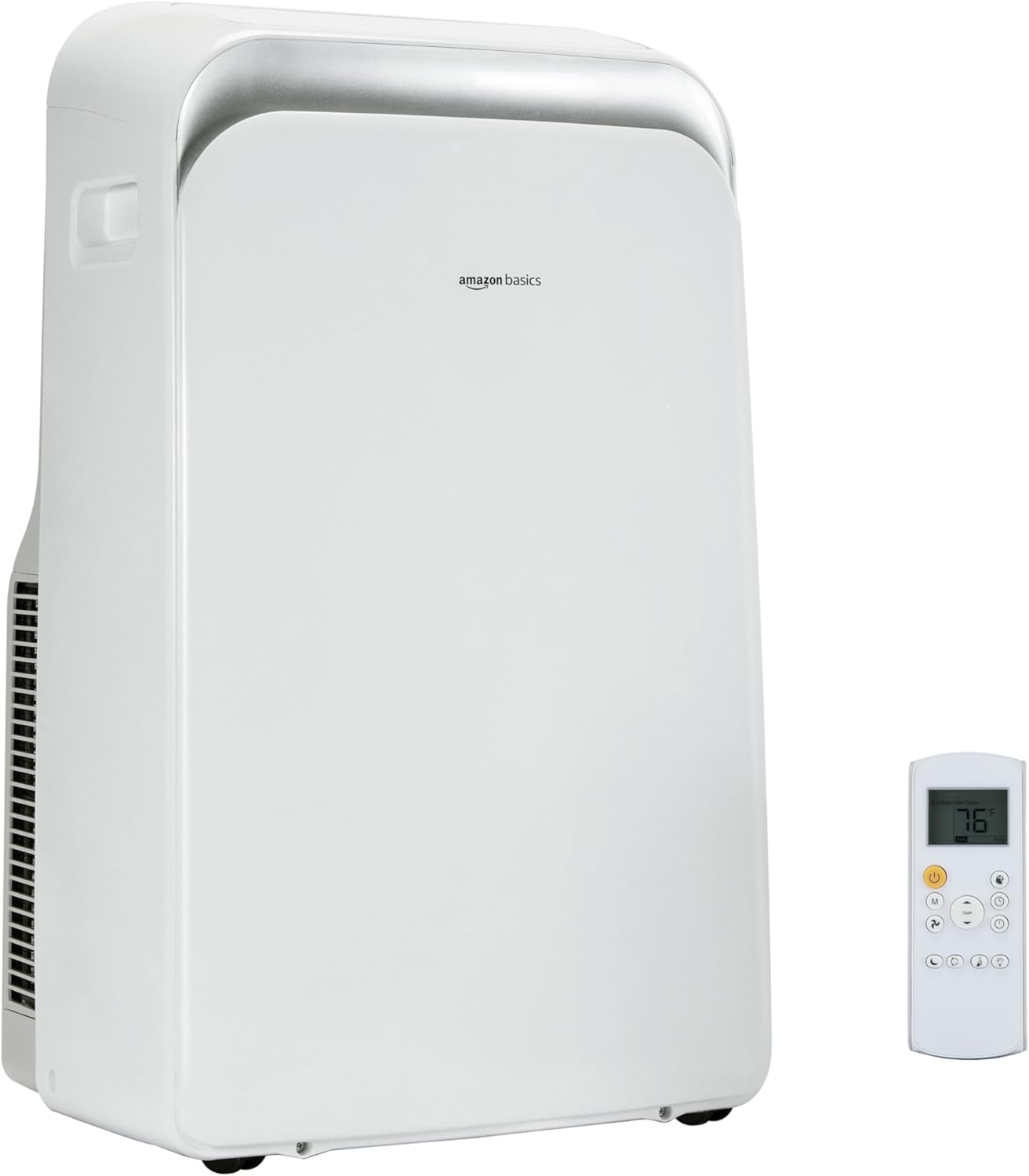

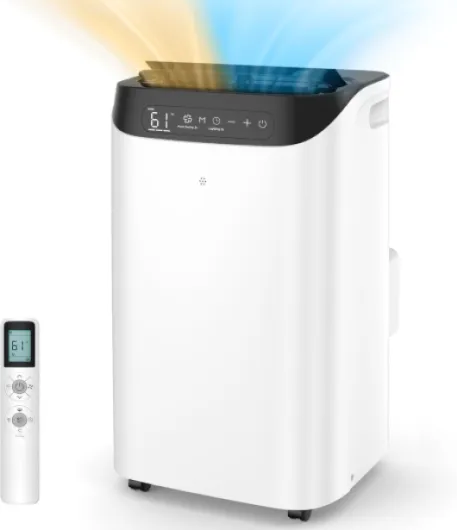
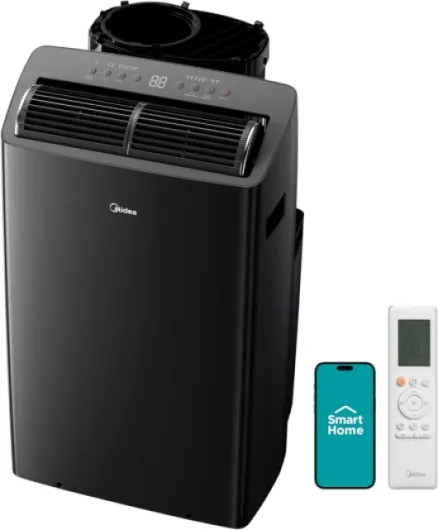


Understanding how a portable air conditioner with heat pump works
How a Portable Air Conditioner with Heat Pump Delivers Year-Round Comfort
A portable air conditioner with heat pump is designed to provide both cooling and heating, making it a versatile solution for maintaining comfort in your room throughout the year. Unlike traditional air conditioners that only cool, these units use a heat pump system, which can reverse its operation to provide heat during colder months. This dual functionality means you can rely on a single appliance for all-season comfort, whether you need to cool down in the summer or warm up in the winter.The Technology Behind Cooling and Heating
At the core of these portable air conditioners is a heat pump mechanism. In cooling mode, the unit extracts warm air from your room and expels it outside through a hose, using a window kit for easy setup. In heating mode, the process reverses: the heat pump draws in heat from the outside air—even in chilly weather—and releases it indoors. This is more energy-efficient than traditional electric heaters, as it moves heat rather than generating it from scratch. Many modern portable ACs feature inverter technology, which allows the compressor to adjust its speed according to the room’s needs. This results in more precise temperature control, quieter operation, and better energy efficiency. Some models also include a dehumidifier fan function, helping to reduce excess moisture in the air, which can be especially useful during humid seasons.Key Components and Controls
Portable air conditioners with heat pumps typically come with a remote control for easy adjustments from anywhere in the room. Smart features, such as Wi-Fi connectivity and app-based controls, are becoming more common, allowing you to manage your comfort from your phone. Look for units with clear LED displays, which make it simple to monitor temperature settings and modes. For more details on how LED displays enhance usability, check out this guide on the role of LED displays in portable air conditioners. Most units are rated by their BTU (British Thermal Unit) output, with higher BTU ratings suitable for larger rooms. Some manufacturers use the ASHRAE standard for measuring BTU, which can help you compare options more accurately. Dual hose models are often more efficient for larger spaces, as they use one hose to bring in fresh air and another to expel warm air, improving overall performance. Portable air conditioners with heat pump are available in various designs, including compact btu ductless models, black decker units, and mini split alternatives. Each offers unique features and installation options, which will be explored further in the next sections.
Key benefits of using a portable air conditioner with heat pump
Year-Round Comfort with Versatile Climate Control
One of the main advantages of a portable air conditioner with heat pump is its ability to provide both cooling and heating in a single, compact unit. This means you can maintain a comfortable temperature in your room no matter the season. Whether you need to cool down during a hot summer or warm up in the winter, these portable ACs adapt to your needs. Many models offer a range of BTU ratings, including high BTU portable options and dual hose designs, to efficiently handle different room sizes and layouts.
Energy Efficiency and Cost Savings
Modern portable air conditioners with heat pumps often feature inverter technology and high energy efficiency ratings, such as white stars or Energy Star certifications. This helps reduce energy consumption compared to traditional heaters or window air conditioners. By using a single device for both heating and cooling, you can also save on the cost and space of owning separate appliances. Some units even include smart controls and remote control features, allowing you to adjust settings for optimal performance and further energy savings.
Flexible Placement and Easy Installation
Unlike mini split or btu ductless systems, portable air conditioners with heat pumps require minimal installation. Most come with a window kit and flexible hose for venting, making them suitable for apartments, offices, or any space where permanent installation isn’t possible. Their portability means you can move the unit from room to room as needed, providing targeted comfort wherever you are. Dual hose models, in particular, offer improved efficiency by separating intake and exhaust air streams.
Additional Features for Enhanced Comfort
- Many units combine dehumidifier fan functions, helping to reduce humidity and improve air quality.
- Remote control and smart connectivity options allow for convenient operation from anywhere in the room.
- Some conditioners with heat pump include programmable timers and multiple fan speeds for customized comfort.
For a deeper look at how these devices can transform your living environment, check out this guide on improving your comfort with portable air conditioners.
Important features to look for when choosing a unit
What to Prioritize When Selecting Your Portable Air Conditioner with Heat Pump
Choosing the right portable air conditioner with heat pump can make a big difference in your comfort and energy bills. With so many options on the market, it’s important to focus on features that match your room size, climate needs, and lifestyle. Here’s what to keep in mind:
- BTU and Room Size: The cooling and heating capacity, measured in BTU (British Thermal Units), should match your room’s square footage. For example, a 10,000 BTU portable air conditioner is suitable for medium rooms, while larger spaces may need 14,000 BTU or more. Check the BTU ASHRAE rating for a more accurate estimate.
- Dual Hose vs. Single Hose: Dual hose models, like some Whynter dual hose air conditioners, are more efficient for both cooling and heating. They reduce negative air pressure and improve performance, especially in larger rooms.
- Inverter Technology: Inverter portable ACs adjust their speed to maintain consistent temperature, which saves energy and reduces noise. This is a feature often found in higher-end mini split and portable heat pump units.
- Energy Efficiency and Stars: Look for models with high energy efficiency ratings or ENERGY STAR certification. This means lower electricity bills and a smaller environmental footprint.
- Remote Control and Smart Features: A remote control adds convenience, letting you adjust settings from across the room. Some conditioners with smart features allow you to control the unit via smartphone apps or voice assistants.
- Dehumidifier and Fan Modes: Many portable air conditioners with heat pump also offer dehumidifier and fan-only modes. This adds flexibility for year-round comfort, especially in humid climates.
- Window Kit and Hose Setup: Make sure the included window kit fits your window type. Dual hose systems generally require two openings, while single hose units need just one. Check hose length and flexibility for easy placement.
- Noise Level: If you’re sensitive to noise, check decibel ratings. Some portable ACs are quieter than others, especially those with inverter compressors.
- Portability and Design: Consider the unit’s weight, caster wheels, and handles for easy movement. Some models, like Black Decker or White Stars, offer compact designs that fit well in small spaces.
By focusing on these features, you’ll find a portable air conditioner with heat pump that fits your needs—whether you want a btu portable solution for a bedroom, a conditioner heater for a home office, or a dual hose portable ac for a larger living area. Don’t forget to compare with other options like btu ductless mini split systems or traditional air conditioners to ensure you’re making the best choice for your comfort and budget.
Installation and placement tips for optimal performance
Finding the Right Spot for Maximum Efficiency
Proper installation and placement of your portable air conditioner with heat pump are essential for achieving the best cooling and heating results. Start by selecting a room where you need the most temperature control. Most portable air conditioners, especially those with heat pump functions, are designed for single-room use. Check the BTU (British Thermal Unit) rating—like 10,000 BTU or 14,000 BTU ASHRAE—to ensure the unit matches your room size. A unit with too few BTUs will struggle, while one with too many may cycle on and off, reducing efficiency.
Window Kit and Hose Setup
Most portable ACs with heat pumps come with a window kit and one or two hoses. The hose expels hot air outside during cooling and brings in air for heating. Make sure the hose is as straight and short as possible to minimize air resistance. Dual hose models are generally more efficient than single hose options, as they use one hose for intake and another for exhaust, improving performance in both cooling and heating modes.
- Install the window kit securely to prevent air leaks.
- Seal any gaps with weatherstripping or foam for better insulation.
- Keep the hose away from sharp bends or kinks.
Optimizing Airflow and Control
Position the portable air conditioner with heat pump away from walls and furniture to allow unobstructed airflow. Leave at least 20 inches of space around the unit. Use the remote control or smart features to adjust settings without needing to move the unit. Some models, like those with inverter technology, automatically adjust cooling and heating output for better efficiency and comfort.
Additional Placement Tips
- Place the unit on a flat, stable surface to avoid vibrations.
- Keep the air intake and exhaust clear of obstructions.
- If your model includes a dehumidifier fan or heater function, ensure the drainage system is set up correctly to avoid water buildup.
- For larger rooms or open spaces, consider a higher BTU portable AC or even a mini split system for more consistent temperature control.
By following these installation and placement tips, you can maximize the performance and lifespan of your portable air conditioner with heat pump, ensuring year-round comfort in your home.
Maintenance and troubleshooting common issues
Keeping Your Portable AC with Heat Pump Running Smoothly
Regular maintenance is key to ensuring your portable air conditioner with heat pump delivers reliable cooling and heating throughout the year. Even the best-rated units, whether they’re 14,000 BTU portable air conditioners or smaller 8,000 BTU ductless models, need some attention to keep performing at their best.- Clean or Replace Filters: Dust and debris can clog the air filter, reducing airflow and efficiency. Most portable ACs, including dual hose and mini split options, have washable filters. Check them every two weeks during heavy use. If your unit has a dehumidifier fan, keeping the filter clean also helps maintain air quality.
- Inspect the Hose and Window Kit: Make sure the exhaust hose is securely attached and free from kinks. A well-fitted window kit prevents hot air from leaking back into the room. This is especially important for portable heat pump models, which rely on efficient air exchange for both heating and cooling.
- Empty the Water Tank: Many conditioners with heat pump features collect moisture. Some units have an auto-evaporation system, but others require manual draining. If your portable AC stops cooling or heating, check the water tank first.
- Check Remote Control and Smart Features: Test the remote control regularly and replace batteries as needed. For smart portable air conditioners, ensure your Wi-Fi connection is stable and the app is updated for optimal control.
- Monitor for Unusual Noises or Odors: If your portable air conditioner or heater starts making strange sounds or emits odors, it may be time to clean the internal components or check for blockages. Persistent issues could indicate a need for professional servicing.
Quick Troubleshooting for Common Issues
Even with regular care, portable air conditioners with heat pump functions can sometimes run into problems. Here are some quick tips:- Unit Not Cooling or Heating: Double-check the BTU rating for your room size. An undersized unit, even a Black Decker or white stars model, may struggle in larger spaces. Also, ensure the hose is properly vented and the air filter is clean.
- Water Leaks: Make sure the drain pan isn’t full and the unit is level. If you’re using a dual hose portable AC, inspect both hoses for leaks or blockages.
- Remote or Smart Control Not Responding: Replace batteries or reset the Wi-Fi connection. For smart conditioners, try reconnecting the app or updating firmware.
- Frost Build-Up: This can happen if the room is too cold or the air filter is dirty. Turn off the unit and let it defrost before restarting.
Comparing portable air conditioner with heat pump to other heating and cooling options
How portable air conditioners with heat pump stack up against other solutions
When considering the best way to control the temperature in your room, it’s important to compare portable air conditioners with heat pump to other popular heating and cooling options. Each solution has its own strengths and limitations, and understanding these can help you make a more informed choice.- Portable ACs with heat pump vs. traditional window units: Window air conditioners are often limited to cooling only, while a portable conditioner with heat pump can both cool and heat. This dual function means you get year-round comfort from a single device. Portable units are also easier to move between rooms, and many come with remote control and smart features for added convenience. However, window units may be slightly more energy efficient in some cases, especially if you have a permanent installation.
- Portable ACs with heat pump vs. mini split systems: Mini split systems (ductless) are known for their high efficiency and quiet operation. They’re a great long-term solution for whole-home comfort but require professional installation and a higher upfront cost. Portable air conditioners with heat pump, on the other hand, are plug-and-play, require no permanent changes to your home, and are ideal for renters or those who need a flexible solution. While mini splits often have higher BTU ratings and better inverter technology, portable units are more accessible and can be stored away when not in use.
- Portable ACs with heat pump vs. space heaters and fans: Space heaters and fans are simple, affordable options for spot heating or cooling, but they lack the versatility of a portable air conditioner with heat pump. A portable unit can dehumidify, cool, and heat, often with programmable settings and remote control. Many models also feature dual hose designs for more efficient air exchange and higher BTU (ASHRAE) ratings, making them suitable for larger rooms compared to basic heaters or fans.
- Portable ACs with heat pump vs. central HVAC: Central HVAC systems provide whole-home comfort and can be very efficient if your home is well insulated. However, they come with high installation and maintenance costs. Portable air conditioners with heat pump are a practical option for supplemental cooling or heating in specific rooms, especially if you want to avoid running your central system for just one area. They’re also a good backup during HVAC maintenance or outages.
| Option | Cooling & Heating | Installation | Portability | Energy Efficiency | Best For |
|---|---|---|---|---|---|
| Portable AC with Heat Pump | Yes | Easy (window kit, hose) | High | Moderate (look for ENERGY STAR, inverter) | Renters, small spaces, supplemental use |
| Window AC | Mostly Cooling | Moderate (window install) | Low | Moderate to High | Permanent rooms, single rooms |
| Mini Split (Ductless) | Yes | Professional | Low | High (inverter, ENERGY STAR) | Whole home, long-term |
| Space Heater/Fan | Heating or Cooling Only | Plug-in | High | Low to Moderate | Spot use, small rooms |
| Central HVAC | Yes | Professional | None | High | Whole home, permanent |