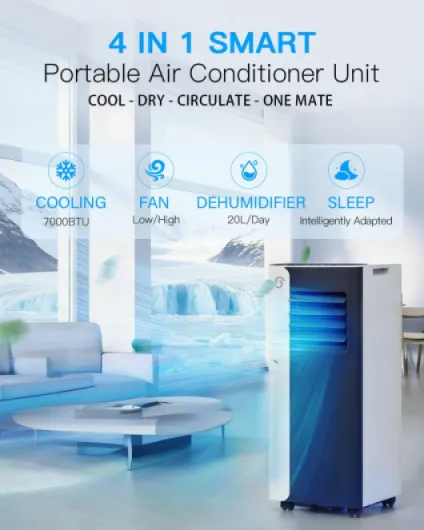
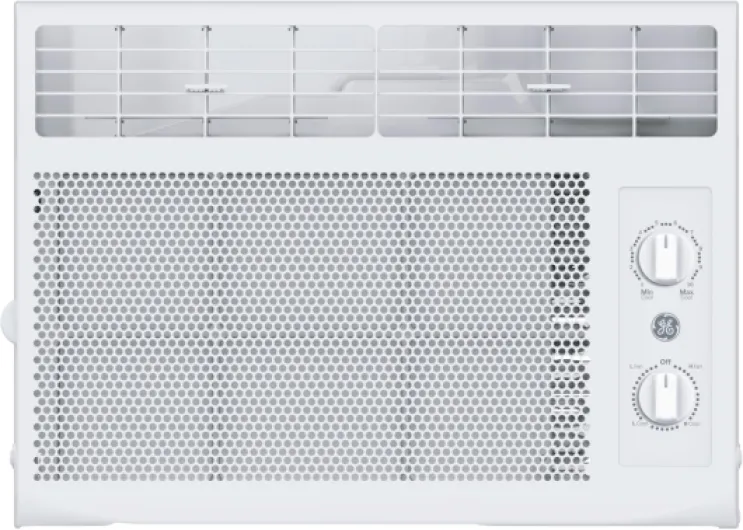
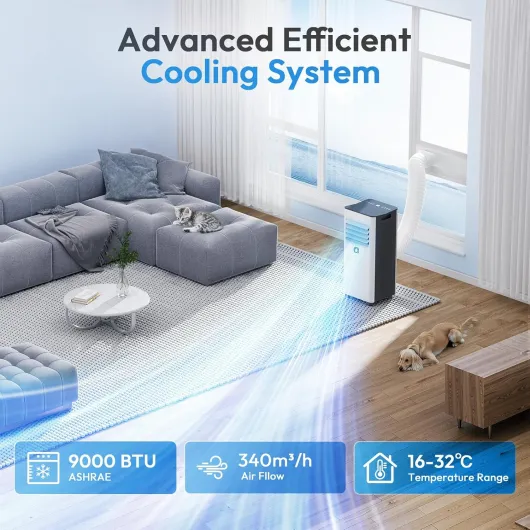
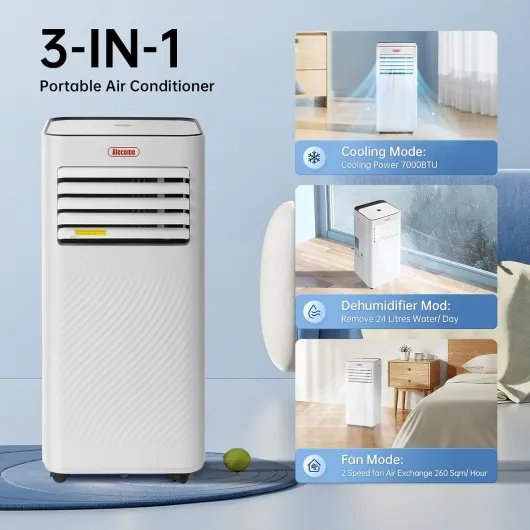
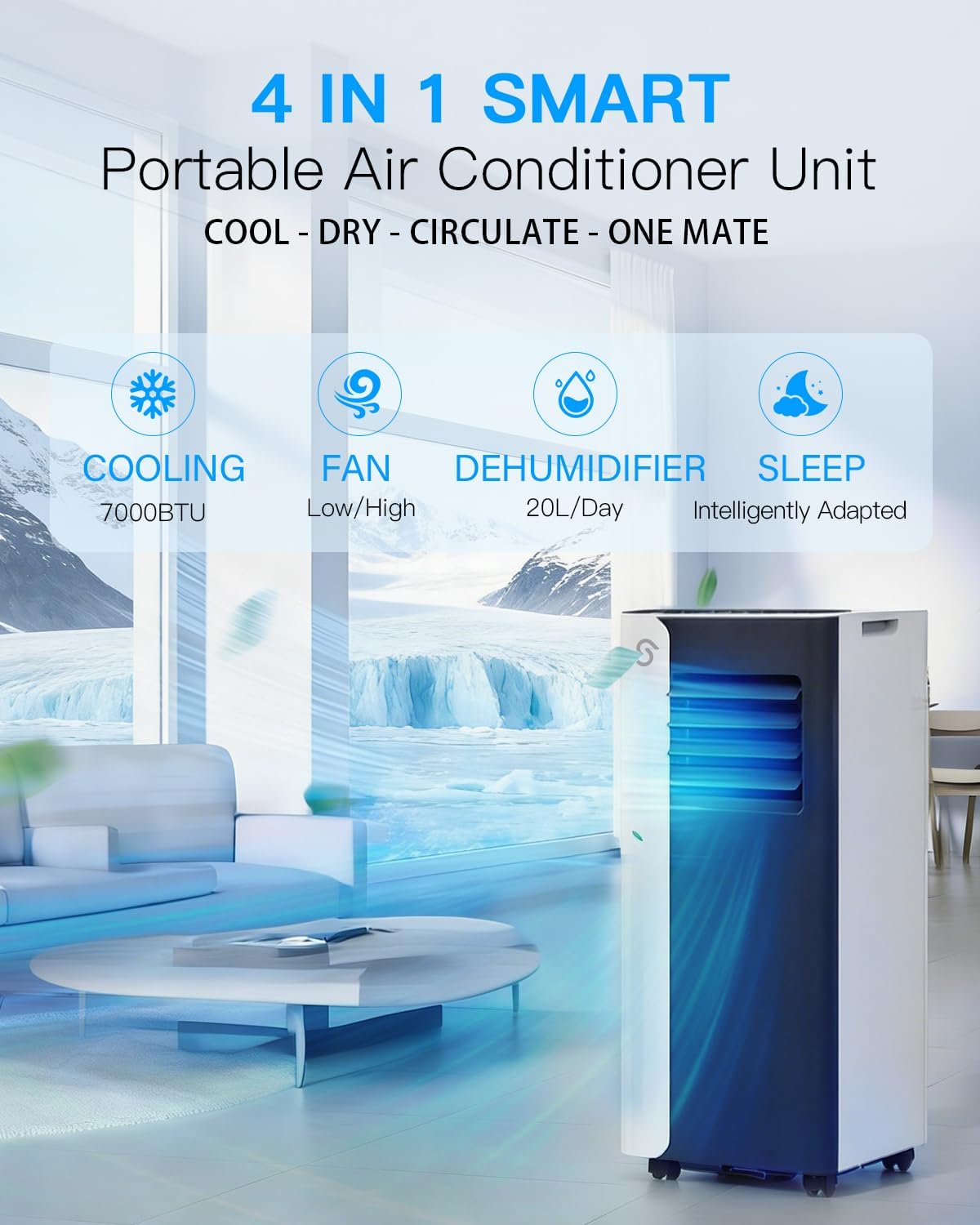
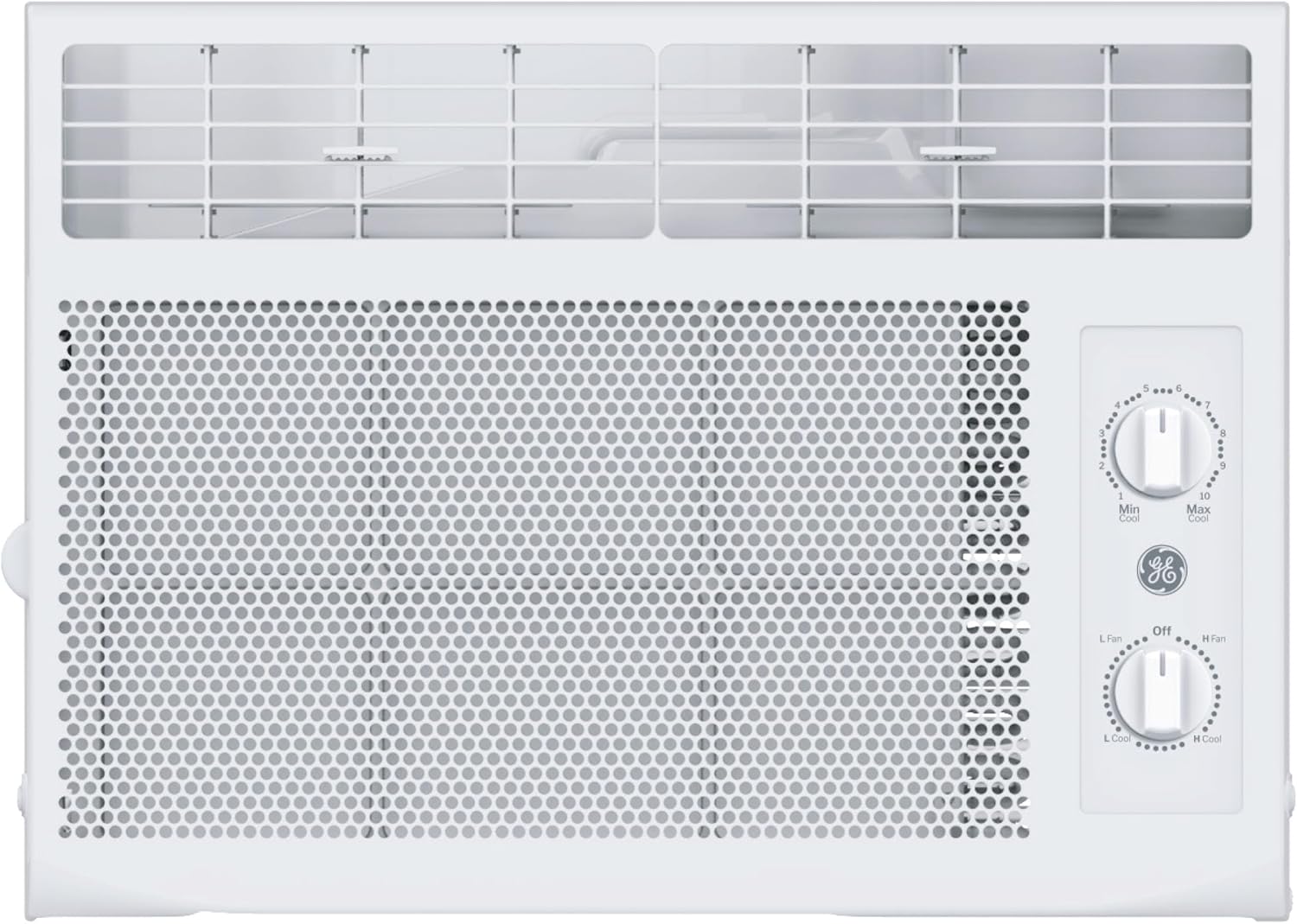
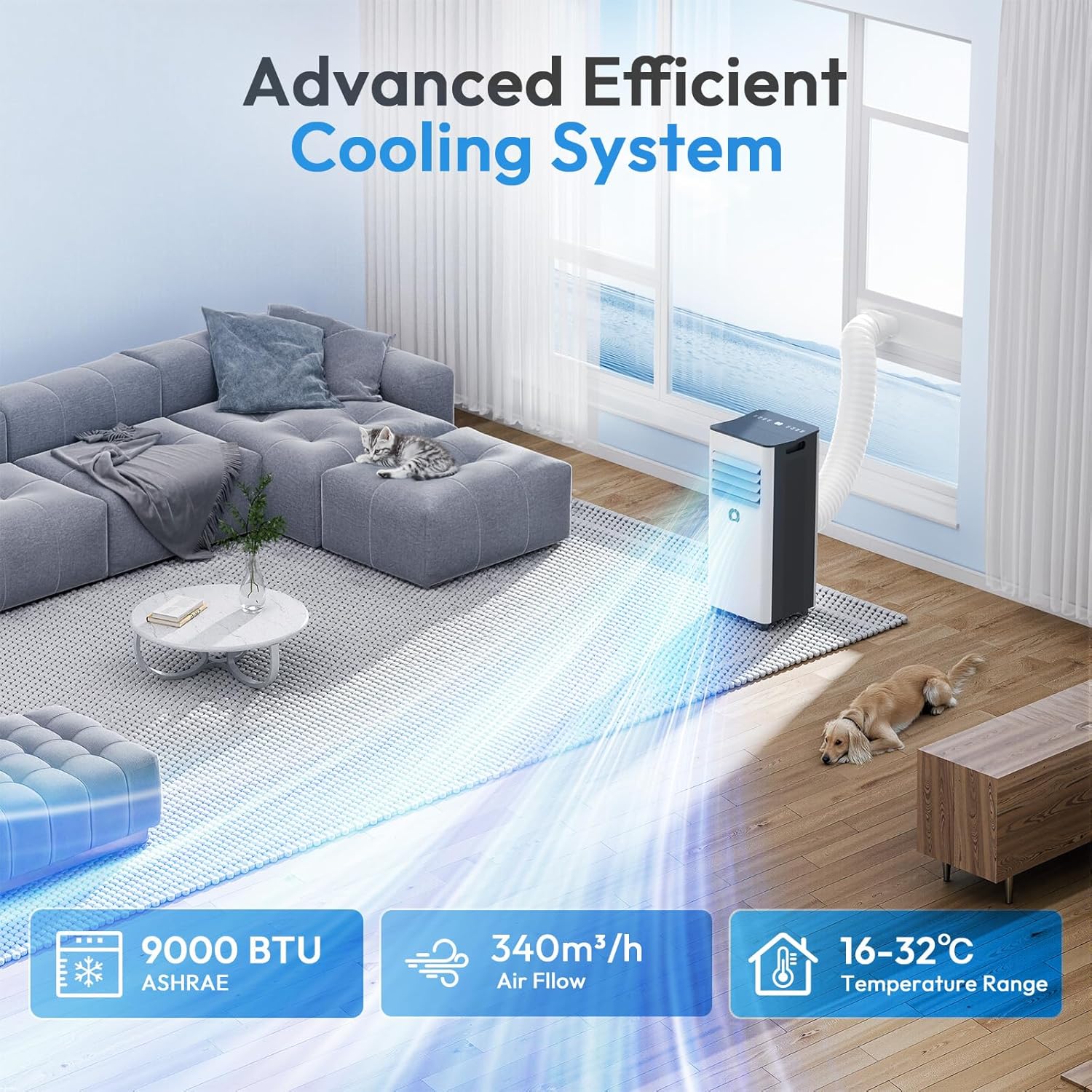
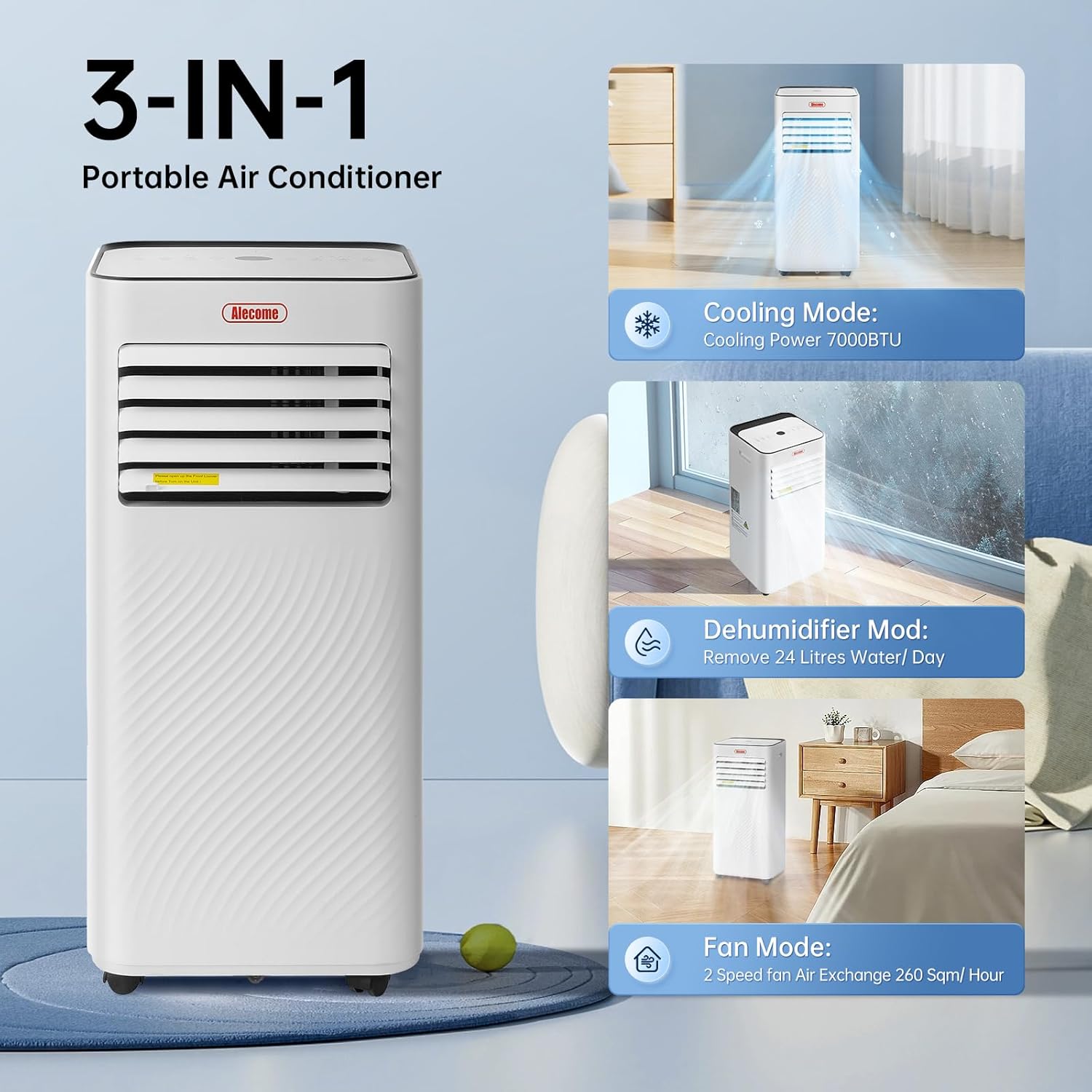
Comparing single hose and dual hose portable acs for quick setup
Many shoppers focus on the headline BTU number, but the hose design often matters more for real world comfort. A single hose portable air conditioner pulls air from the room, cools it, and exhausts hot air outside, which can create slight negative pressure and draw warm air from other rooms. Dual hose portable acs use one hose to bring in outside air and another to expel hot air, which usually improves cooling power and stability in well sealed spaces.
If you want the best portable solution for a bedroom, a quiet dual hose unit such as the Whynter ARC series or the Midea Duo line can be a strong top pick. These air conditioners combine efficient hose design with refined fan control, so the air feels cool without the harsh draft that some cheaper conditioners create. For more detailed bedroom focused comparisons, you can consult this guide to top portable air conditioners for bedrooms, which explains how noise levels and airflow patterns affect sleep quality.
Single hose units still have a place, especially where quick setup and low cost matter more than absolute energy efficiency. A compact single hose portable air conditioner can be easier to move between rooms, and its window kit usually installs in minutes with minimal tools. When comparing single hose and dual hose conditioners, weigh your climate, your typical room size, and how often you plan to move the unit, because these factors determine which design feels like the best easy install portable air conditioners choice for you.
Smart features, remote control, and battery powered options
Ease of installation does not end once the window kit is in place, because daily use should also feel effortless. A modern smart portable air conditioner lets you control temperature, fan speed, and mode from your phone, which reduces trips across the room and makes fine tuning the cooling more intuitive. Models marketed as Duo Smart or similar often integrate Wi Fi, voice assistant compatibility, and advanced scheduling, turning a simple portable air unit into part of a connected home.
Remote control remains essential even on non smart conditioners, especially when the unit sits near a window or in a tight corner. Look for remote control layouts with clear temperature displays and direct buttons for cool mode, fan only mode, and dehumidification, because this avoids cycling through confusing menus. Some portable air conditioners also include LED displays on the unit itself, but a well designed remote control usually defines how convenient the daily setup and adjustments feel.
Battery powered cooling units are emerging as niche options for people who need portable air in spaces without easy access to mains power. Products such as the EcoFlow Wave series combine a compact air conditioner with a detachable battery, which can be useful for cabins, vans, or temporary workspaces. If you are comparing these to traditional plug in portable acs, remember that battery powered units typically offer lower continuous cooling power and shorter runtimes, so they complement rather than replace a full size room conditioner; for a different approach to mobile cooling, you can also review this test of an evaporative air cooler with remote control.
Brand examples: Whynter ARC, Midea Duo, EcoFlow Wave and others
Real product lines illustrate how the best easy install portable air conditioners translate specifications into everyday comfort. The Whynter ARC series is known for dual hose designs that prioritize cooling power and energy efficiency, making these units suitable for demanding environments such as server rooms or sun exposed lofts. Many Whynter ARC models include a robust window kit and clear setup instructions, which help first time users install the hose system without specialist tools.
The Midea Duo family takes a different approach by integrating the dual hose into a more compact hose design, which simplifies installation while preserving strong airflow. A Midea Duo Smart model typically offers app based control, voice assistant integration, and refined fan modulation, so the air conditioner can maintain a stable room temperature with fewer abrupt cycles. These conditioners often rank among the best portable options for people who want both quiet operation and advanced energy management features.
EcoFlow Wave units, by contrast, target mobility and off grid flexibility rather than whole room coverage in large homes. An EcoFlow Wave air conditioner can pair with a dedicated battery pack, allowing temporary cooling in tents, vans, or small cabins where a traditional window is not available for a standard window kit. When you compare these units with more conventional portable air conditioners from brands often sold on Amazon, always check the stated BTU, the realistic coverage area, and how the hose or exhaust system handles hot air in constrained spaces.
Energy efficiency, MAP TBL ratings, and running costs
Operating costs matter as much as purchase price when you run a portable air conditioner through a long hot season. Energy efficiency ratings such as EER, CEER, or region specific MAP TBL values indicate how much cooling power you receive for each unit of electricity consumed. A higher rating means the air conditioners deliver more cool air per kilowatt hour, which directly lowers your electricity bill while reducing the environmental impact of your cooling habits.
When comparing the best portable units, look beyond the headline BTU figure and examine how the conditioner performs at partial loads. Many smart air conditioners modulate compressor speed and fan power to match the room’s actual heat gain, which can significantly improve energy efficiency during milder days. Features such as eco mode, variable speed compressors, and well insulated hose design all contribute to better performance, especially in rooms where hot air infiltration is controlled by good window sealing.
It is also wise to check whether the portable air unit includes a programmable timer or scheduling through a Duo Smart style app. These tools let you pre cool a room before you arrive and then reduce power once the desired temperature is reached, rather than running the conditioner at full power all day. Over a season, such control can make the difference between a portable acs setup that feels like a luxury and one that quietly pays for itself through lower energy bills.
Practical installation tips and when to buy your portable AC
Even the best easy install portable air conditioners benefit from a few practical steps during setup. Start by measuring your window opening and comparing it carefully with the window kit dimensions, because a tight fit prevents hot air leaks and improves overall cooling. Use foam strips or weather sealing where necessary to close small gaps, especially around sliding windows or older frames.
Position the portable air conditioner so that the hose runs as straight and short as possible, since sharp bends restrict airflow and reduce cooling power. Keep the unit at least several centimetres from walls or furniture to allow proper air intake and exhaust, which also helps the fan operate more quietly. If your model includes a drain for condensate, check whether continuous drainage is possible in your room, because this can avoid frequent emptying of internal tanks during very humid weather.
Timing your purchase can also influence both price and availability, particularly during strong El Niño patterns that drive heatwaves. Retailers and platforms such as Amazon often sell out of top pick units during the first major hot spell, leaving only less efficient conditioners in stock. To avoid this, consider guidance such as the seasonal advice in this analysis of when to buy your portable AC before the first very hot weekend, and plan your purchase before demand peaks.
How to evaluate reviews, ratings, and real world performance
Online reviews can be invaluable when you compare the best easy install portable air conditioners, but they require careful reading. Focus on comments that mention specific room sizes, window types, and climates, because these details show how the air conditioner behaves in conditions similar to your own. Pay attention to repeated praise or criticism about noise, hose durability, and window kit quality, since these elements shape long term satisfaction more than a single star rating.
When browsing platforms such as Amazon, filter for verified purchases and look for reviews posted after extended use rather than only first impressions. Users who have run their portable air units through multiple heatwaves often provide nuanced feedback on energy efficiency, cooling stability, and the reliability of smart features or remote control functions. Cross check these experiences with independent testing from organizations such as Consumer Reports or national energy agencies, which measure BTU output, power draw, and noise under standardized conditions.
Finally, remember that no single model suits every situation, even among the best portable conditioners. A compact single hose unit might be the top pick for a small rented flat with limited window access, while a larger dual hose Whynter ARC or Midea Duo Smart system could excel in a permanent home office. By aligning your expectations with clear data, careful checks, and realistic assessments of your room and climate, you can select portable air conditioners that feel genuinely easy to install and satisfying to use over many summers.
Key figures on portable air conditioners and home cooling
- According to the International Energy Agency, space cooling accounts for nearly 10 % of global electricity demand, which highlights why energy efficiency in portable air conditioners significantly affects both household bills and power grids.
- Tests by Consumer Reports have shown that some portable air conditioners deliver only around 60 to 80 % of their stated BTU performance in real rooms, which makes MAP TBL style adjusted ratings more reliable than raw BTU numbers when comparing units.
- Studies from the U.S. Department of Energy indicate that raising the thermostat setting by just 1 °C can reduce cooling energy use by about 3 %, so using smart controls and remote control scheduling on a portable air conditioner can yield measurable savings.
- Market analyses report that dual hose portable acs can cool rooms up to 30 % faster than comparable single hose models in well sealed spaces, mainly because they avoid negative pressure and reduce infiltration of hot air from adjacent rooms.
- Noise measurements from independent labs often place quiet bedroom focused portable air conditioners in the 50 to 55 dB range on low fan settings, which is roughly comparable to a normal conversation and significantly quieter than many older units.