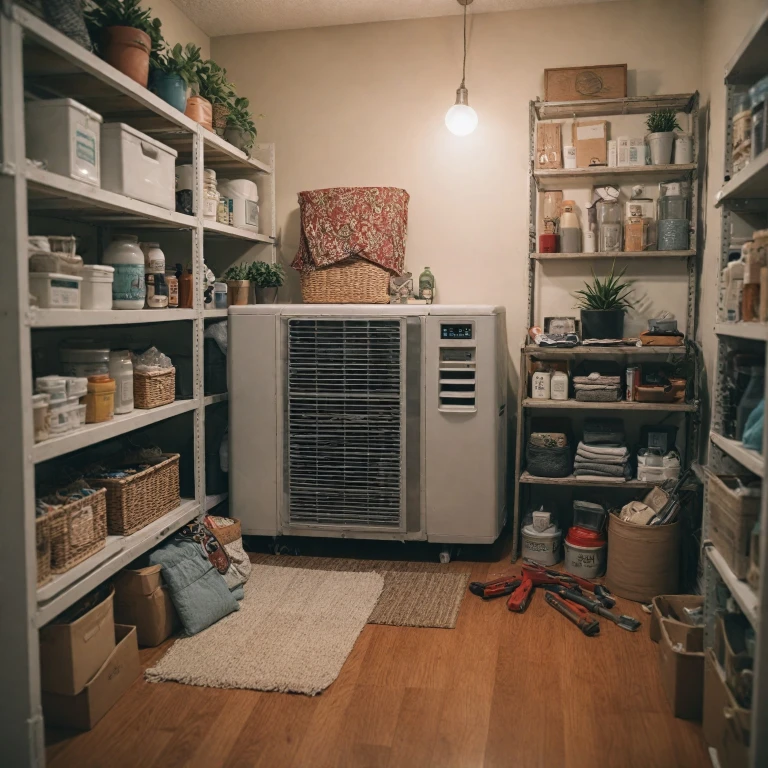
Understanding the Importance of Proper Storage
Why Proper Storage Matters for Your Portable Air Conditioner
Proper storage of your portable air conditioner is essential not only for prolonging its lifespan but also for ensuring its optimal performance when you need it most. As these units are significant investments, taking the time to store them correctly during off-season can make a substantial difference. Portable air conditioners are often used to combat high temperatures during the summer months. However, they remain inactive during off-seasons such as winter, and improper storage can lead to several issues, including:- Physical Damage: Storing your conditioning unit in a suitable location helps prevent unnecessary wear and tear. A well-chosen air conditioner storage box or cover can shield it from potential damage caused by dust, moisture, or even pests.
- Reduced Efficiency: Dust accumulation and moisture exposure can compromise the efficiency of your portable air conditioning unit. Proper cleaning and preparation for storage help maintain its performance levels.
- Long-Term Costs: By preserving the conditioner in top condition through correct storage, you potentially avoid costly repairs or replacements, thereby saving money in the long run.
Choosing the Right Air Conditioner Storage Box
Selecting the Ideal Container for Your Cooling Device
When it comes to storing your portable air conditioner, one of the crucial steps is choosing the right storage box. A well-chosen storage box can help protect your unit during the winter months and ensure it functions optimally when needed. Here's a breakdown of what to consider:- Material Matters: Opt for a heavy-duty cover or box that can withstand varying temperatures and conditions. Look for products on platforms like Amazon that specify durable, water-resistant materials to shield your portable unit from dust and moisture.
- Size Compatibility: Ensure the storage box is suitable for your specific air conditioner. Measure your unit's dimensions and compare them with the box’s specifications to avoid any issues.
- Outdoor vs. Indoor Covers: Depending on where you plan to store your air conditioning unit, you may need an indoor or outdoor cover. Outdoor covers should be more robust to protect against elements such as rain, snow, or strong winds. On the other hand, indoor covers should focus on dust and scratch resistance.
- Window and Heat Pump Considerations: If your portable air conditioner has a window installation component or operates using a heat pump, consider covers or boxes that can accommodate these extensions or features.
Preparing Your Portable Air Conditioner for Storage
Getting Your Portable AC Ready for Hibernation
Properly preparing your portable air conditioner for storage is essential to ensure that it remains in good working order when you’re ready to use it again. Follow these steps to ensure your unit is stored without any hassle:- Clean the Conditioning Unit: Before storing, make sure the air conditioning unit is thoroughly cleaned. Start by removing any dust or debris from the exterior and clean the filter. A clean unit is less likely to develop unpleasant odors or mold during storage.
- Remove Water and Moisture: Ensure that the portable unit is free of any residual water. Empty the condensation tank and let the unit run in fan mode for a few hours to evaporate lingering moisture from within the cooling system.
- Disconnect and Coil the Exhaust Hose: Detach the flexible air duct or exhaust hose. Coiling it properly prevents damage to its structure. For more on the importance of a flexible air duct, you can refer to this detailed guide.
- Secure and Protect with a Cover: To prevent dust buildup, cover the unit with a heavy-duty cover specifically designed for air conditioners. Consider options available on platforms like Amazon for a wide range of sizes and materials.
- Tidy up Accessory Items: Preserve the window kit components, such as the window bracket or any sealing foam, by storing them together in a bag or container. Storing these pieces safely ensures that you don't have to search for replacements when you reinstall the conditioner next season.
Optimal Storage Locations in Your Home
Finding the Ideal Spot for Your Portable Air Conditioner
Selecting the best storage location in your home for your portable air conditioner is crucial for maintaining its functionality. Proper storage ensures the unit remains in pristine condition, ready to keep your home cool when the heat returns. Let's delve into the considerations for an optimal storage spot:- Indoors vs. Outdoors: While it might be tempting to leave your portable unit outdoors, especially if you have an outdoor cover, storing it indoors is often the best choice. Indoor storage protects against harsh weather conditions, reducing the risk of damage. If you must store outdoors, ensure you use a heavy-duty cover outdoor to shield it from the elements.
- Dry and Clean Environment: Moisture can be detrimental to the internals of your portable air conditioner. A dry, clean, and free from humidity area in your home can preserve the integrity of electrical components. Avoid basements unless they are properly insulated and not prone to leaks.
- Away from Excessive Dust: A location with minimal dust exposure will save you cleaning efforts come next season. Consider storing your unit in a plastic bag or inside an air conditioner storage box to prevent dust accumulation.
- Space Requirements: Ensure the storage location can accommodate the size and shape of your unit. An attic or a closet is a viable option, but make sure there's ample space around the conditioner for ventilation.
- Safe from Extreme Temperatures: Avoid places that experience extreme temperature shifts, such as uninsulated garages or attic spaces taking the full brunt of winter and summer heat. Keep your conditioner in an area with stable, moderate temperatures.
Common Mistakes to Avoid When Storing Your Air Conditioner
Steer Clear of These Storage Pitfalls
Storing your portable air conditioning unit correctly is paramount to ensuring it stays in tip-top shape for next summer. Avoiding common mistakes can save you from potential headaches when retrieving the unit from storage. First off, ensure that the portable conditioner is thoroughly clean before you store it. Dust, debris, and moisture can lead to the growth of mold and mildew if trapped inside. Cleaning your unit and allowing it to dry completely is crucial to fend off any unwanted layers of grime. Equally important is removing any portable air filters so they can be properly cleaned and stored separately. Secondly, never store your unit without proper coverage. An indoor conditioner cover or outdoor cover, available on platforms like Amazon, can help protect the conditioning unit from dust and pests. However, be cautious when choosing a cover; heavy duty options may prevent moisture from escaping, potentially causing damage if any water droplets remain in the unit. Thirdly, considering the storage location is key. Avoid placing the unit in a location with extreme temperature fluctuations or high humidity, such as an attic or outdoor shed. Instead, opt for a stable, indoor environment where temperature remains relatively constant, and the threat of condensation is minimized. Finally, while it might be tempting, don't forget to remove the exhaust hose before storing. These hoses can actually trap moisture, leading to issues if forgotten during winter storage. Leaving them attached is among the leading causes of damage in stored portable units. By steering clear of these mistakes, you’re ensuring a trouble-free delivery of cool air from your portable air conditioners when you need it most. Proper storage not only prolongs the life of your unit but also maintains its energy efficiency for optimal performance.Maintaining Your Air Conditioner During Off-Season
Taking Care of Your Portable Air Conditioner in the Off-Season
Storing your portable air conditioning unit correctly is just one part of the off-season maintenance. Here are some keys to keeping your air conditioner in top shape when not in use:
- Regular Cleaning: After placing it in storage, it’s crucial to clean your portable air conditioning unit periodically to prevent dust accumulation that can impact efficiency and air quality. Use a soft cloth or vacuum to gently remove any dust that may have settled.
- Protect with a Cover: Invest in a heavy-duty conditioner cover to shield your unit from dust and potential outdoor debris. Make sure the cover is waterproof if you're storing the unit in an outdoor location, ensuring it's protected from moisture that can cause rust.
- Check for Damage: Inspect your air conditioning product periodically for any signs of damage, especially around the window unit and heat pump areas. This will allow you to address issues before they become bigger problems.
- Proper Ventilation: Ensure your storage location allows for free airflow around the unit. Proper ventilation can help prevent mold or mildew from developing on the unit during storage.
- Rotate Location: If possible, consider relocating the portable unit occasionally. This helps prevent pressure marks or deformations on one side due to prolonged storage in a single position.
Being proactive during the off-season by following these guidelines will keep your portable air conditioning in prime condition and ready for the hot summer months ahead.
