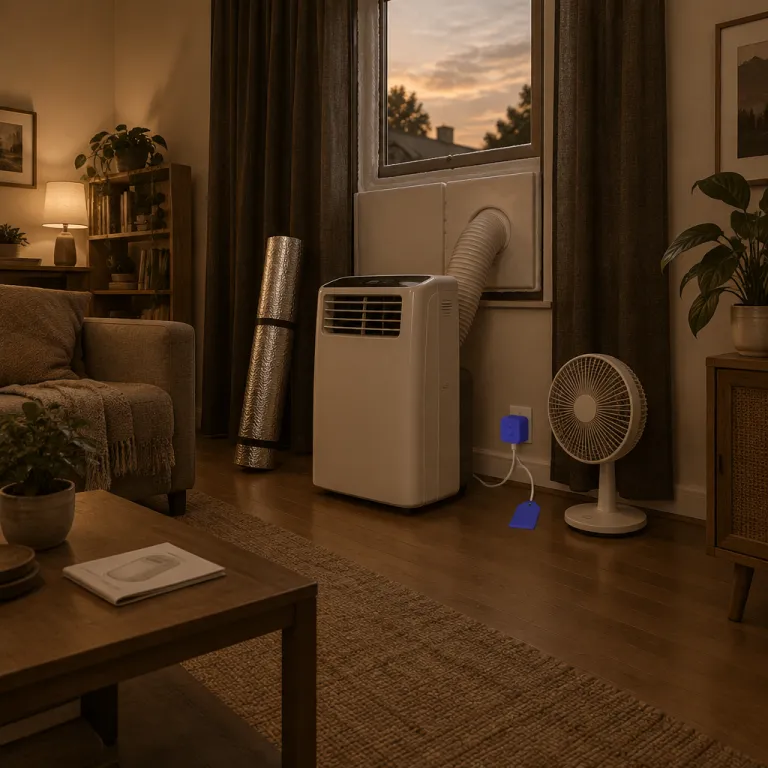
Why energy efficient cooling systems matter for portable air conditioners
Energy efficient cooling systems in portable air conditioners protect your budget and comfort. When a portable air conditioning unit uses less electricity for the same cooling output, you reduce long term power costs while keeping indoor air at stable, healthy temperatures. This balance between cooling performance and energy efficiency is now central to how modern systems operate in homes and small offices.
Traditional portable air conditioning relied on simple single speed compressors that cycled on and off, wasting energy and creating uneven room temperatures. Newer technologies such as variable speed compressors and compact heat pumps adjust their output continuously, so the cooling system matches real time demand instead of running at full power unnecessarily. This engineering shift has turned many portable units into genuinely energy efficient cooling systems rather than temporary emergency devices.
For a person seeking information, the first step is understanding how these systems use energy inside a building. Every portable air conditioning system moves heat from indoor air to the outside, and the efficiency of that process determines both running costs and thermal comfort. When you compare models, focus on how the unit manages heat transfer, how much electricity it draws, and how well it maintains consistent cooling during the hottest hours.
Key efficiency metrics when buying a portable air conditioner
Choosing between portable cooling systems starts with reading the efficiency labels correctly. Look for metrics such as the Energy Efficiency Ratio (EER) and the seasonal efficiency rating, because these figures show how much cooling you receive for each unit of energy consumed. Higher numbers mean the system delivers more cooling while reducing energy use, which directly lowers your electricity bills.
On many government website resources, including U.S. Department of Energy and ENERGY STAR guidance, you will find explanations of how equipment energy performance is tested and certified under standardized procedures such as DOE 10 CFR Part 430 and AHAM PAC-1. These official guides help you compare one portable air conditioning unit with another, especially when marketing claims about efficient heating or advanced technologies become confusing. When you read such guidance, pay attention to how systems operate at different air temperatures, because portable units often perform differently in mild weather compared with extreme heat.
Portable air conditioning buyers should also check noise levels, dehumidification capacity, and indoor air quality features alongside raw energy efficiency numbers. A unit that filters indoor air effectively while maintaining stable cooling and moisture removal can improve comfort more than a slightly more efficient but weaker system. For a deeper look at how a portable AC can become a smarter permanent cooling solution, review this analysis of a portable AC that evolves from temporary to permanent use.
How modern technologies transform portable cooling and heating performance
Modern portable air conditioning technologies go far beyond the traditional single hose design. Many new systems combine cooling and efficient heating in one compact unit, using reversible heat pumps to move heat in or out depending on the season. This heating cooling flexibility allows one system to support comfort for more months of the year, improving overall energy efficiency across seasons.
Variable speed compressors are now common in higher quality portable units, and this variable speed operation is central to energy efficient cooling systems. Instead of switching fully on or off, the compressor modulates its speed so the cooling system delivers only the energy needed to maintain target air temperatures. This technology reduces energy waste, limits wear on components, and keeps indoor air more stable, which many users experience as smoother, quieter comfort.
Engineering teams also experiment with alternative technologies such as compact evaporative cooling designs, especially for dry climates where cooling evaporative processes work well. While evaporative cooling systems use water instead of refrigerant to remove heat, they are highly sensitive to local humidity and building design. For readers comparing design philosophies, this review of how a Lennox Elite style design informs portable cooling choices shows how large scale engineering ideas filter down into smaller mobile units.
Comparing portable units with traditional fixed cooling systems
Portable air conditioning units compete with traditional split systems and window units, each with distinct strengths. A fixed cooling system usually offers higher peak efficiency, but it demands building modifications, professional installation, and sometimes complex permits. Portable systems operate without structural changes, making them attractive for renters, heritage buildings, or temporary workspaces where drilling walls is impossible.
From an energy efficiency perspective, the gap between portable and traditional systems has narrowed in recent years. Better engineering, improved refrigerants, and smarter controls mean that some portable cooling systems now approach the efficiency of smaller split units, especially when used in a single well insulated room. When you factor in installation costs, maintenance, and the ability to move the unit between rooms, the total systems energy picture can favor a high quality portable system for many households.
However, buyers must be realistic about heat management and air quality when using portable units. Single hose designs can draw warm air into the building, slightly reducing energy efficient performance compared with dual hose systems that separate intake and exhaust air. To understand how premium portable designs handle these trade offs, examine a detailed test of 12000 BTU floor standing portable air conditioners and compare their real world cooling performance.
Practical buying guide for energy efficient portable air conditioners
When selecting a portable air conditioning unit, start by matching capacity to room size. Oversized systems waste energy and may cycle too quickly, while undersized cooling systems run constantly without ever reaching comfortable air temperatures. As a rough example, a 10,000 BTU portable air conditioner typically suits a room of about 300 to 450 square feet, assuming standard ceiling heights and moderate sun exposure, while a 12,000 BTU model may be more appropriate for a 450 to 550 square foot space with higher solar gains.
Next, evaluate how the system manages water produced during cooling and dehumidification. Some units use self evaporative technologies that expel water through the exhaust hose, while others require manual draining or a continuous drain hose to a nearby drain. Self evaporative designs reduce maintenance effort, but you must still check how they perform in very humid indoor air conditions where water production is higher.
Control features also influence both comfort and energy efficiency in daily use. Look for programmable timers, smart thermostats, and fan only modes that allow the system to maintain air quality without full cooling when outdoor air temperatures drop at night. A portable unit that supports efficient heating for shoulder seasons can further extend its value, especially in small apartments where one flexible system replaces multiple separate technologies.
Best practices to cut running costs and improve indoor air quality
Owning an energy efficient portable air conditioning unit is only half the story. How you operate the cooling system day to day determines whether you achieve the promised energy efficiency and air quality benefits. Simple best practices can significantly reduce energy use while keeping indoor air comfortable and healthy.
Close doors and windows while the system runs, and shade sun exposed glass to reduce heat entering the building. These steps lower the cooling workload, allowing systems to operate at lower power levels and reducing energy consumption without sacrificing comfort. Regularly cleaning filters preserves airflow, protects indoor air quality, and helps the unit maintain its designed efficiency over many years of service.
Smart temperature settings also matter for both cooling and efficient heating modes. Setting the thermostat just a few degrees higher in summer or lower in winter can cut systems energy use noticeably, especially when combined with ceiling fans that improve air movement. Over time, these habits turn a single portable unit into a cornerstone of a broader strategy for energy efficient cooling systems in compact living spaces.
Key figures on portable air conditioner efficiency and usage
- Portable air conditioning units with high efficiency ratings can use up to about 40 percent less energy than older traditional models, according to comparative testing summarized in ENERGY STAR product specifications for room air conditioners and manufacturer technical datasheets that reference those protocols.
- Studies of building energy use show that space cooling can account for more than 10 percent of residential electricity consumption in many regions, as reported in U.S. Energy Information Administration Residential Energy Consumption Survey (RECS) data and similar national building energy surveys, which makes energy efficient cooling systems a significant lever for reducing energy demand.
- Variable speed compressor technology in modern portable systems can cut peak power draw by around 20 to 30 percent compared with fixed speed units, while maintaining similar indoor air temperatures and perceived comfort, based on lab comparisons reported in manufacturer performance data that follow AHRI and DOE test procedures.
- Field measurements in small apartments indicate that proper sealing of exhaust hoses and window kits can improve overall system efficiency by several percentage points, mainly by reducing unwanted heat and outdoor air infiltration, as documented in case studies from utility sponsored home energy audit programs.
FAQ about energy efficient portable air conditioners
How do I know if a portable air conditioner is truly energy efficient ?
Check the official efficiency labels and compare the cooling capacity to the power input, then confirm that the unit meets or exceeds the minimum standards listed on your regional government website for air conditioning equipment. Higher efficiency ratings, combined with features such as variable speed compressors and programmable controls, indicate that the system converts more electrical energy into useful cooling. Reading independent test results and long term user reviews helps verify that real world performance matches the label.
Are dual hose portable systems more efficient than single hose models ?
Dual hose cooling systems usually manage heat and indoor air pressure more effectively, because they separate intake and exhaust air streams. This design reduces the amount of warm outdoor air pulled into the building, which can improve overall energy efficiency and cooling performance. Single hose units can still be energy efficient, but they require more careful placement and window sealing to limit unwanted heat gains.
Can a portable air conditioner also provide efficient heating in winter ?
Some portable units include integrated heat pumps that offer both cooling and efficient heating from the same system. These reversible technologies move heat rather than generating it directly, which can be more energy efficient than simple electric resistance heaters in mild winter conditions. When comparing models, check the heating performance rating and confirm that the unit is suitable for your typical winter air temperatures.
What maintenance keeps a portable unit running efficiently for many years ?
Regular filter cleaning or replacement is essential for preserving airflow, air quality, and system efficiency. You should also inspect and clean the exhaust hose, window kit, and condensate management components so that heat and water are removed effectively from indoor air. Following the manufacturer’s maintenance schedule helps the unit maintain its original performance and reduces the risk of costly failures.
Is evaporative cooling a good alternative to refrigerant based portable systems ?
Evaporative cooling systems can be very energy efficient in hot, dry climates where the air has low humidity, because they use water evaporation rather than compression to remove heat. In humid regions, however, evaporative cooling performance drops sharply and can even raise indoor air moisture, which may harm comfort and air quality. Buyers should match the technology to their local climate and building characteristics before choosing between evaporative and refrigerant based portable units.
